
We all love those adorable snorts, snores, and snuffles that make French Bulldogs, Pugs, and Bulldogs so irresistible. That signature “snorty soundtrack” often feels like part of their charm and one of the reasons we fall in love with them in the first place.
But sometimes, what sounds cute could actually be a sign that your dog is working a little too hard to breathe. At State Avenue Veterinary Clinic, we know how deeply our clients love their pets and loving them means knowing when something isn’t quite right.
Let’s talk about what those noises really mean, how to tell when your pup might be struggling, and what you can do to help them breathe easier.
“That’s Just How Bulldogs Breathe” Or Is It?
It’s a common belief that noisy breathing is normal for flat-faced (brachycephalic) dogs. And yes, some gentle snuffling is expected! But constant snorting, gasping, or heavy panting shouldn’t be brushed off as “just how they are.”
Breeds including Frenchies, Pugs, Boston Terriers, and English Bulldogs have a unique head shape that makes their faces adorably short and round. Unfortunately, that same anatomy can also make it harder for them to move air in and out comfortably.
When those features cause breathing difficulty, it’s called Brachycephalic Airway Syndrome.
What Is Brachycephalic Airway Syndrome?
Simply put, Brachycephalic Airway Syndrome (BAS) refers to a combination of anatomical traits that can restrict airflow.
These may include:
- Narrow nostrils (harder to draw air in)
- An elongated soft palate (tissue that can partially block the airway)
- Everted laryngeal sacs (small structures in the throat that collapse from constant strain)
These challenges can vary from mild to severe and often worsen over time if left unaddressed.
Subtle Signs Your Dog May Be Struggling
Because many owners are used to hearing snorts and snores, it’s easy to miss the signs that your pet is actually uncomfortable.
Watch for these subtle changes:
- Noisy breathing even at rest (especially when sleeping or lying down)
- Tiring quickly on walks or playtime
- Avoiding heat or activity — they may lie down sooner or pant excessively
- Gagging, coughing, or retching after excitement or meals
- Blue or pale gums/tongue — a warning sign of low oxygen
- Frequent reverse sneezing or labored breathing at night
If any of these sound familiar, it’s worth scheduling a checkup. These symptoms don’t always mean an emergency but they do mean your dog might not be breathing as comfortably as they could be.
There Are Great Options to Help
- Lifestyle and environmental adjustments – Keeping your pet cool, maintaining a healthy weight, and avoiding overexertion.
- Medication – To reduce airway inflammation or manage secondary issues like allergies.
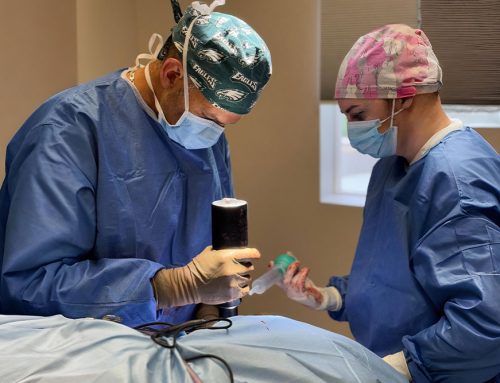
- Surgical correction – In some cases, a simple procedure to widen the nostrils or shorten the soft palate can dramatically improve breathing comfort and quality of life.
Many pets who undergo corrective surgery experience immediate relief. They sleep better, play longer, and even snore less!

Loving Them Enough to Look Closer
We understand how much you love your Frenchie, Pug, or Bulldog. They’re family and part of loving them is knowing when their little quirks might actually be cries for help.
At State Avenue Veterinary Clinic, our team is experienced in assessing and caring for brachycephalic breeds. We’ll help you understand your dog’s unique needs, evaluate their breathing, and guide you through the best next steps, whether that’s simple lifestyle changes or a medical plan for long-term comfort.
Those snorts and snores may be cute but nothing’s sweeter than the sound of a happy, healthy breath.
Schedule an appointment with State Avenue Veterinary Hospital today to learn more about how to keep your flat-faced friend breathing easy and living their best life.



Leave A Comment